Why Feed Efficiency Is Critical
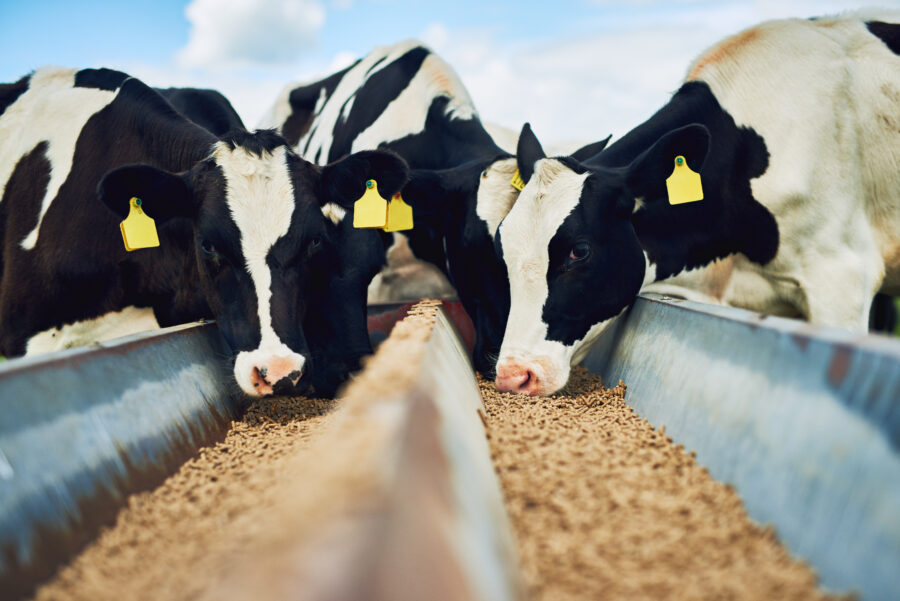
Today’s livestock producers face a complex challenge: producing high-quality animal protein while managing costs, optimizing resources, and meeting growing sustainability expectations. At the center of these goals is one critical measure of success: feed efficiency.
Feed efficiency reflects how effectively animals convert feed into productive outcomes, such as growth, milk production, or overall performance. When animals use the nutrients they consume more effectively, producers can achieve more from the same resources, creating benefits that extend throughout the production system.
As feed costs remain one of the largest expenses in livestock operations, improving feed efficiency has become a key focus for nutritionists, producers, and the broader agricultural industry.
What Is Feed Efficiency?
Animals require a precise balance of nutrients to support performance. When diets are not optimally balanced, some nutrients may be underutilized while others are supplied in excess. Both situations can limit efficiency.
Advances in amino acid nutrition have helped producers take a more precise approach to feeding. Rather than relying solely on high-protein ingredients, nutrition strategies can focus on delivering the right nutrients in the right amounts at the right time.
This precision allows animals to use feed more effectively, supporting performance while making better use of available resources. More accurate nutrition planning can also help producers manage feed costs and improve overall production efficiency.
Feed conversion ratio (FCR) is one metric used to measure this efficiency. A lower FCR generally indicates that an animal needs less feed to achieve a given amount of growth or production. This specific metric can vary by species and the output objective.
What Factors Affect Feed Efficiency?
Many interconnected factors influence feed efficiency, from nutrition and genetics to management practices and environmental conditions. Understanding these factors can help producers identify opportunities to improve animal performance while making the most of feed resources.
Diet Composition
One of the most significant influences on feed efficiency is diet formulation. Animals need the right balance of energy, protein, amino acids, vitamins, and minerals to support growth and production. When nutrients are oversupplied or undersupplied, they may not be utilized efficiently, which can reduce performance and increase waste.
Feed Quality
The quality and consistency of feed ingredients can affect nutrient availability and digestibility. Variations in ingredient quality, storage conditions, or feed processing can affect how effectively animals use nutrients.
Animal Genetics
Some animals are naturally more efficient at converting feed into growth, milk, or other productive outcomes. Genetic selection has played an important role in improving feed efficiency across many livestock species.
Animal Health
Healthy animals are generally more efficient animals. Disease, stress, parasites, or other health challenges can divert energy and nutrients away from growth and production, reducing overall efficiency.
Environmental Conditions
Temperature, humidity, housing conditions, and overall animal comfort can influence feed intake and nutrient utilization. Heat stress, for example, often reduces feed intake and can negatively affect performance.
Feeding Management
How feed is delivered can be just as important as what is fed. Consistent feeding schedules, proper feed access, adequate bunk management, and minimizing feed waste can all contribute to better feed efficiency.
Stage of Production
Nutrient requirements change throughout an animal’s life cycle. Diets that are tailored to the animal’s age, growth phase, or production stage can help support more efficient nutrient utilization.
How Can Amino Acids Improve Feed Efficiency?
Amino Acids are often described as the building blocks of protein, but they also play a critical role in helping animals utilize nutrients more effectively. They are essential nutrients that help animals utilize feed more efficiently, supporting growth, milk production, and overall performance. When diets are formulated with the right balance of amino acids, animals can make better use of the nutrients they consume.
Historically, nutrition programs have often relied on additional dietary protein to help meet amino acid requirements. However, more protein does not always translate to better results. What animals need is the right balance of essential amino acids. By addressing specific nutritional gaps, producers can help animals utilize nutrients more effectively while maintaining performance with less excess protein in the diet.
Supplementing targeted amino acids allows nutritionists to more precisely align nutrient supply with an animal’s requirements. This precision nutrition approach can improve nutrient utilization, support feed efficiency, and promote more efficient nitrogen use throughout the production system.
At Ajinomoto Health & Nutrition, our formulation approach is designed to help producers deliver the right nutrients at the right levels, supporting animal performance while reducing unnecessary nutrient waste.
Support Performance With Targeted Amino Acid Nutrition
Different amino acids play varied nutritional roles. As such, formulators need to consider which amino acids an animal requires and in what amount. For this reason, Ajinomoto Health & Nutrition offers a diverse selection of amino acid solutions including L-Lysine, L-Tryptophan, and L-Histidine. This variety gives formulators the flexibility to fine-tune feed depending on species, diet, and production goals.
Improving Feed Efficiency Across Animal Nutrition Applications
Swine
In swine production, feed efficiency depends on providing the right balance of amino acids to support growth and lean tissue development. Rather than relying on excess dietary protein, nutritionists can formulate diets around an animal’s amino acid requirements to more precisely meet nutritional needs.
Essential amino acids such as L-histidine can play a role in achieving that balance, particularly as diets are formulated with greater precision. This approach helps optimize nutrient utilization, improve feed conversion ratio (FCR), and reduce excess nitrogen excretion.
Ajinomoto Health & Nutrition’s amino acid solutions, including L-histidine, help swine producers formulate more precise diets that support productive performance while making more efficient use of feed resources.
Dairy
For dairy producers, feed efficiency is often measured by how effectively cows convert nutrients into milk. Amino acid balancing can help improve the utilization of dairy protein by ensuring cows receive the essential amino acids needed to support milk production and milk components. By focusing on amino acid nutrition rather than simply increasing crude protein levels, nutritionists can improve efficiency and create opportunities to reduce excess nutrient losses.
Ajinomoto Health & Nutrition’s rumen-protected amino acid solutions help dairy nutritionists develop more precise feeding programs that support milk production, optimize nutrient utilization, and improve overall feed efficiency.
Improve Feed Efficiency Through Better Nutritional Precision
Looking for ways to improve feed efficiency through precision nutrition? Explore Ajinomoto Health & Nutrition’s amino acid solutions for animal nutrition.