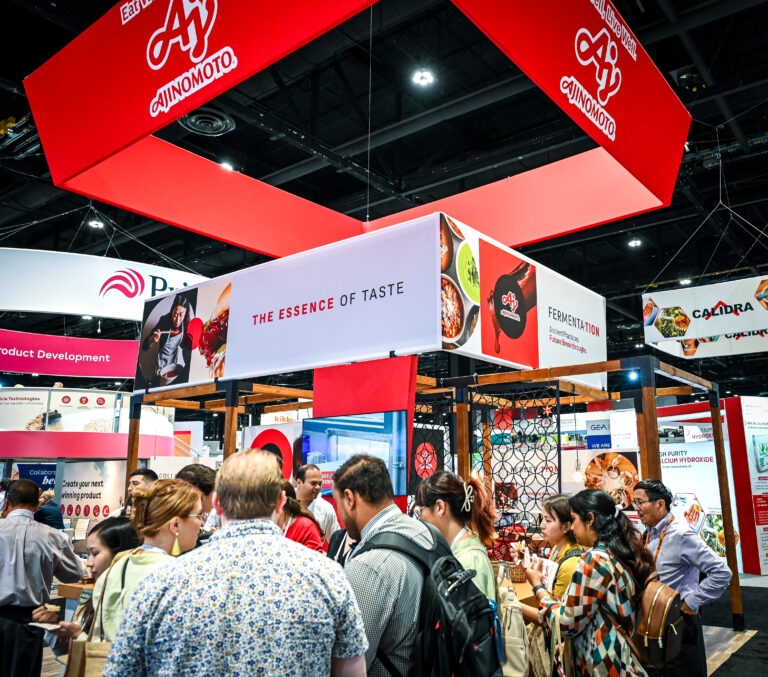
Despite MSG’s safety record validated by health organizations across the globe, the ingredient has been unfairly villainized for decades in the U.S., stemming from poorly conducted science and xenophobic stigma. Since 2018, the Ajinomoto Group has worked to set the record straight in the U.S., working with nutrition and culinary experts and the Asian Pacific Islander (API) community to unravel years of stigma. In 2020, Merriam-Webster revised its definition of the problematic term “Chinese Restaurant Syndrome” after the Ajinomoto Group and other advocates exposed its racist undertones in relation to MSG. In 2021, popular 30-day elimination program Whole30 announced it would “no longer rule out MSG as one of its off-limits additives,” citing a reevaluation of “current science, historical learnings, and our diversity, equity and inclusion values.”
The report’s author, Yunn Lim, is a Consumer Lifestyle Analyst at Mintel covering the Asia Pacific region, and holds a degree in Nutrition and Food Science from the University of Reading. “MSG was once found in packaged foods across the U.S., but perceptions of the ingredient changed in the 1960s after a letter to the New England Journal of Medicine deemed it a controversial flavor enhancer in the West. From my research, I found that people in APAC are more accepting of the ingredient, whereas MSG has a darker rooted maligned history in the West. I used social listening data to highlight the difference in consumer perception across regions and how it changed over time. Combining social listening data with solid brand examples will provide inspiration for other brands to explore innovations around MSG too,” shared Yunn.
Key Findings Include:
- Consumers will support brands that fight whitewashing – and boycott brands that don’t. According to Mintel research, 64% of American consumers said they have or would boycott if a company reinforced racial stereotypes.
- Flavor is king. 85% of German consumers who used seasonings in the prior three months agreed that seasonings are a must have to make meat-free meals more exciting.
- There is a global interest in umami. 34% of Canadian consumers said savory flavors (i.e. umami) are most appealing to them and 33% of U.S. consumers are eating more savory foods, such as umami, garlic, onion, etc.
Mintel’s perspective on what’s next:
- Brands that make an effort to destigmatize MSG and actively advocate to combat its associated racial stereotypes will be seen favorably by consumers.
- Brands can educate consumers by providing accurate information about the safety and benefits of MSG, and encourage consumers to use it as a flavor booster in their plant-based meals.
The report acknowledges work still to be done, especially in Western countries where misperceptions about the safety of MSG persist. But as consumers are increasingly inclined to listen to scientific evidence, and CPG brands and foodservice operators embrace MSG and its potential to solve some of their greatest formulation challenges, the food industry will see increased acceptance and use of the ingredient.
As the foremost experts in the science of amino acids, Ajinomoto Health & Nutrition is ready to partner with food developers and manufacturers to bring healthful, delicious new products from ideation to table, including sodium reduction solutions using glutamates, taste and texture solutions for alternative proteins, authentic global cuisines, savory snack products and more.